

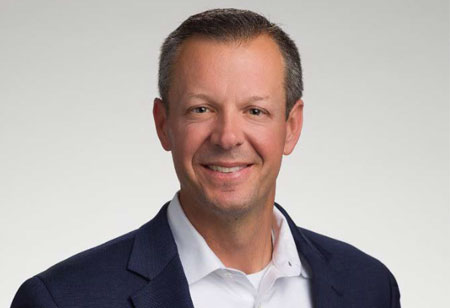
Tim Ingle
Tim Ingle, Senior Vice President of Precious Metal Services and Recycling at BASF, has been instrumental in advancing the company’s efforts in spent catalyst recycling. Under his leadership, BASF has significantly expanded its recycling capabilities, emphasizing sustainability and the circular economy while addressing the growing demand for precious metal recovery. His expertise and strategic initiatives have positioned BASF as a global leader in the field, with operations extending across multiple continents.
In July 2021, BASF strengthened its chemical catalyst recycling operations by acquiring Zodiac Enterprises LLC in Caldwell, Texas. This facility specializes in recovering precious metals from industrial scrap, primarily chemical catalysts, and complements BASF’s existing operations in Seneca, South Carolina. The acquisition was part of BASF’s broader strategy to enhance its recycling footprint and meet the growing demand for sustainable solutions.
Ingle highlighted the strategic importance of this acquisition, stating that it allows the company to meet increased customer demand for recycling spent chemical and automotive catalysts. He also emphasized the environmental advantages, noting that recycling metal emits up to 90 percent less CO₂ compared to refining primary metal from mining operations. This significant reduction in carbon emissions underscores the environmental benefits of transitioning towards a circular economy in metal recovery.
The expansion of BASF's recycling capabilities not only ensures the efficient recovery of valuable materials but also reduces reliance on newly mined metals. This, in turn, contributes to conservation efforts by mitigating the environmental damage typically associated with mining activities. As a result, BASF’s commitment to sustainable practices aligns with global efforts to combat climate change and promote responsible resource management.
Ingle has consistently advocated for sustainability in metal refining. Under his guidance, BASF has enhanced its smelting capacities and refining processes to produce high-purity precious metals necessary for new catalysts, while significantly reducing environmental impact. He has expressed pride in contributing to the circular economy, reiterating that metal recycling not only conserves valuable resources but also plays a crucial role in cutting carbon emissions.
Sustainability has become a key focus for industries worldwide, and BASF has positioned itself at the forefront of this movement by implementing cutting-edge recycling technologies. By developing more efficient recovery processes, BASF ensures that spent catalysts are processed in an environmentally responsible manner, minimizing waste and maximizing resource utilization. These efforts align with the broader goals of industries striving to reduce their carbon footprint and transition to more sustainable production methods.
Additionally, Ingle has stressed the importance of collaboration in achieving sustainability objectives. By working closely with industry partners, governments, and research institutions, BASF continues to refine its recycling processes and explore innovative solutions for enhancing metal recovery efficiency. These collaborations have led to the development of advanced refining techniques that further optimize the recycling of spent catalysts, reinforcing BASF’s position as a pioneer in the field. Recognizing the global demand for precious metal recycling, BASF has actively engaged in international partnerships. In January 2024, BASF Environmental Catalyst and Metal Solutions (ECMS) and Heraeus Precious Metals launched a joint venture facility in Pinghu, China. This facility is dedicated to recovering precious metals from spent automotive catalysts, supporting China’s sustainability goals and strengthening its supply security.
As industries continue to seek sustainable alternatives, BASF’s advancements in catalyst recycling serve as a benchmark for responsible resource management. Ingle’s dedication to innovation and sustainability underscores the importance of metal recycling in building a cleaner and more efficient future. Moving forward, BASF remains committed to expanding its recycling capabilities, driving technological advancements, and fostering global partnerships to support the circular economy.
