


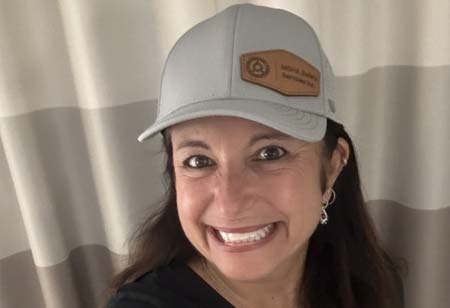
Jenifer Padgett
Jenifer Padgett is Director of Operations at MSHA Safety Services, Inc. She specializes in mine safety, operational leadership and workplace safety, helping organizations strengthen safety practices and operational performance across the mining industry.
The mining industry continues to evolve and has never been this advanced. From autonomous equipment and predictive analytics to real-time monitoring systems and artificial intelligence, technology is transforming how we operate mining operations. These innovations are helping organizations improve productivity, manage risk and operate more sustainably.
Yet after more than two decades working in mining safety, one lesson continues to stand above all others: technology may support safety, but people create it.
Many organizations still view safety primarily through the lens of compliance. Compliance is important. Regulations establish minimum expectations and provide a framework for protecting workers. However, compliance alone does not create a safe workplace. True safety excellence occurs when safety becomes part of an organization’s culture rather than simply a requirement to satisfy.
Throughout my career, I have visited operations ranging from small facilities to large, complex mining operations and have worked with many contract companies. Those that perform at the highest level often have one thing in common: they understand that safety is a shared responsibility and a core organizational value. They offer their miners “the courage to communicate.” The environment supports speaking up even when it may go against the grain or how things have “always been done.” Strong safety cultures are built on trust.
Employees must feel comfortable raising concerns, reporting near misses and discussing hazards without fear of criticism or blame. Some of the most valuable safety conversations occur long before an incident takes place. A mechanic who notices a recurring issue and is supported when having conversations about it, or a new employee who questions a task, may provide information that prevents a serious event and, even better, improves the current practice or task.
When workers believe their voices are valued, they become active participants in the safety process rather than passive recipients of rules and procedures. Words on paper do not create a safe environment. It is the safety within the safety culture that supports safe work practices. We do not just “do” safety. Safety is a belief, a mindset that will send each miner home at the end of his/her shift.
Many incidents can be traced back to communication breakdowns. Assumptions are made. Expectations are unclear. Critical information is not shared. Effective leaders recognize that communication is not simply delivering instructions; it creates understanding.
“ Strong safety cultures are built on trust. Employees must feel comfortable raising concerns, reporting near misses and discussing hazards without fear of criticism or blame. “
The most successful supervisors I have worked with spend as much time listening as they do talking. They ask questions, encourage feedback and engage employees in problem-solving discussions while listening to ideas they had not previously thought of. This approach strengthens relationships while improving operational performance.
Employees quickly recognize whether safety is truly a company priority or simply a statement included in presentations and policy manuals. Leaders who consistently demonstrate safe behaviors, participate in workplace examinations, discuss hazards during routine interactions and visibly support safety initiatives establish credibility with their teams.
Culture is not defined by what leaders say. Culture is defined by what employees see leaders do every day. It is also defined by the actions the leaders allow.
The industry also faces an important workforce challenge. Experienced miners continue to retire while organizations work to attract and develop the next generation of professionals. Younger workers often bring valuable perspectives, technical skills and fresh ideas, but they also expect workplaces that prioritize communication, development and employee wellbeing.
Organizations that invest in their people will have a significant advantage in recruiting and retaining talent.
Training remains one of the most effective ways to make that investment. However, effective training extends beyond regulatory requirements. It should help employees understand risks, develop critical thinking skills and gain confidence in making safe decisions. The goal is not simply to check a box—it is to build competence, accountability, as well as a safe environment to question the norm.
As technology continues to evolve, mining will undoubtedly become safer and more efficient. However, technology cannot replace trust, leadership, communication and employee engagement. These human factors remain the foundation of every successful safety program.
When organizations move beyond compliance and focus on culture, they create environments where employees feel valued, empowered and committed to one another’s well-being. The result is more than improved safety performance. It is stronger operational performance, higher employee engagement and trust with the courage to communicate
At the end of every shift, our goal remains simple: every miner, every contractor and every employee return home safely to their family. Achieving that goal requires more than compliance. It requires a culture that makes safety part of everything we do. It is THAT IMPORTANT.
