

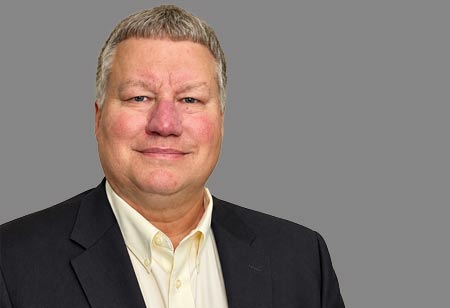
Chris Miller
Chris Miller is Director of Site Operations at Lithium Americas, where he leads the build-out of the operations team preparing Thacker Pass, the company's lithium project in Humboldt County, Nevada, for commissioning and long-term operations. He brings over 30 years of operations and multi-site leadership experience across the biotech, specialty chemicals, mining, pharmaceutical and oil refining industries, including leadership roles across five greenfield plant builds.
Building a Reliable Team for Long-Term Operations
At Thacker Pass, we're in a unique position. We’re building an operations team from scratch for a processing plant facility that is not yet completed. We are accelerating construction safely toward peak activity and labor later this year, with mechanical completion targeted for late 2027. Meanwhile, we're simultaneously building the team to operate the plant safely for many years to come. That takes careful assembly of a thoughtfully constructed team that prioritizes a safety-first mindset, every day.
It is a great honor to serve as the Director of Site Operations for Lithium Americas Corp (LAC). This role has afforded me the opportunity and responsibility to build a high-performing operations team from scratch. After many years of planning, permitting and financing, LAC is deep into the construction of the Thacker Pass Project. More than 1,600 craft workers are on site today building this essential lithium mining and processing facility, and it’s my responsibility to have the operations team in place and prepared to initiate operations when construction is finished in late 2027.
"Success for me means hiring the most talented professionals in the business and preparing them to embrace a culture of collaboration and safety excellence."
Success for me means hiring the most talented professionals in the business and preparing them to embrace a culture of collaboration and safety excellence. We are deep into pulling that team, called the Operations and Business Readiness (OBR) team, together now, well in advance of commissioning the facility. It’s an exciting time hiring a team to work together to design our safety processes and procedures that will ensure LAC’s long-term operational success.
Hire for judgment, not just technical skill.
Our first selection criterion considered during the hiring process is technical competence. Without a solid resume, a candidate won’t get through the door. But once we start the interview process, it’s the candidate’s judgment under review. Will safety sincerely be their highest priority? Do they have the ability to recognize hazardous conditions or an unsafe shortcut, and the willingness to speak up regardless of other pressures?
We’re deliberate when running potential team members through the screening process. Every job posting we write, whether it's for a process operator, mechanic, or department manager, spells out the same expectation: the person in that seat must help build and champion a culture grounded in integrity, care, and continuous improvement, with safety excellence as our foundational expectation.
Starting with the basics
Two bedrock principles of the Thacker Pass safety program, Hazard Recognition and Stop Work Authority, are introduced during our first week of new employee training. LAC’s hazard recognition and reporting program equips all employees with the tools necessary to take a proactive approach towards identifying and reporting potential workplace hazards.
The Stop Work Authority program, a complement to the Hazard Recognition program, gives a team member the authority and responsibility to stop any work activity the employee believes is unsafe without repercussions. The OBR team takes both of these programs seriously and has integrated them into the team’s safety culture.
Learning lessons early and often
Early contact with suppliers and site visits to industry peers are key focus areas for the OBR team. Before equipment arrives onsite, our OBR team conducts factory acceptance testing at the supplier’s site and schedules time with supplier representatives to learn how the equipment should perform once installed. We’re also learning from industry peers who utilize similar equipment to avoid discovering known operational and safety issues during our own startup. It’s a humbling but essential part of building an operations team the right way, admitting that a colleague’s hard-won experience can be more valuable than our own assumptions.
It’s easy to judge large projects by construction milestones: tons of steel erected, cubic yards of concrete poured, and safe work hours logged—those matter. But the team entrusted to operate the facility for years or decades to come is being built in parallel, and sometimes with less visibility. Putting together the right team, hiring for sound judgment, embedding safety into the culture before day one of operations, and learning deliberately from others' experiences are some of the foundational pillars for developing a successful project at this scale. It’s where the early chapters of safety performance are written, long before the plant springs to life.
As we get closer to first production, the team continues to grow, and we're always looking to add professionals who share this mindset and want to help build the Thacker Pass safety culture from the ground up.
