

THANK YOU FOR SUBSCRIBING
Metals And Mining Review: Specials Magazine
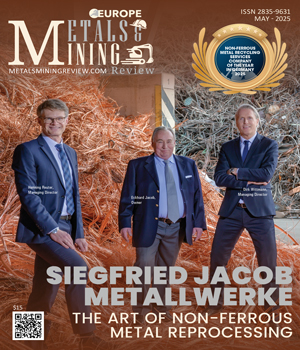
In metallurgy circles, recycling ferrous metals is almost second nature—sort, shred, smelt, repeat. It’s a process defined by volume and predictability. But non-ferrous metals? That is a different equation. High-temperature superalloys, shaped by modern demands like hardness, temperature resistance and advanced manufacturing, are continually adapting. Their chemistry evolves and tolerances shrink. Even a trace of impurity can jeopardise integrity. Recycling becomes less routine and more a high-stakes art. This is where mastery matters. Siegfried Jacob Metallwerke (SJM) has perfected this art of non-ferrous metal reprocessing to help companies transform their industrial residues into high-value materials, using precision-engineered processes. Exclusively focused on non-ferrous recycling, SJM recovers valuable metals from copper and brass dross, filter dusts, catalysts and sludges. Its advanced methods combine pyrometallurgical, hydrometallurgical and mechanical expertise to both reduce the strain on finite natural resources and elevate global recycling standards—turning environmental responsibility into a repeatable, measurable advantage. Moreover, mostly all other non-ferrous metals and their alloys are traded and treated in their state-of-the-art facilities, from A like Aluminium to Z like Zirconium. In a world chasing circularity, SJM’s value addition is setting a new benchmark for sustainable, high-integrity metal recovery. Where Others See Scrap, SJM Sees Potential “For us, there’s no such thing as waste. Whether end-of-life remnants or consumer scrap, every piece of raw material can be recycled, revived and reintroduced into the market,” says Henning Reuter, managing director. With more than 70 years of experience and a mindset shaped by sustainability, SJM restores market value for all recovered metals. Clients turn to SJM not simply to reduce waste but to unlock reliable, compliant and cost-efficient alternatives to primary metals. ...Read more
Top Mining Equipment Provider In Europe 2025
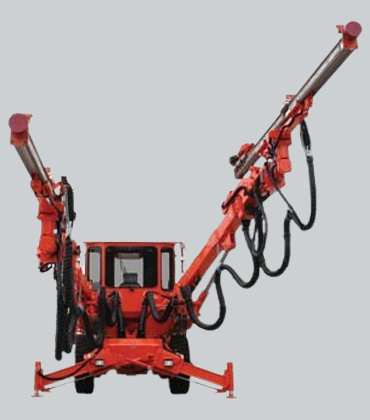
J.H. Fletcher & Co. has thrived in the mining OEM industry for decades without losing sight of its core mission—to work with a vigilant focus on finding ways to improve mining and industrial processes and reducing risk for the people who work in those industries. Today, it is well known in the industry for its ability to manufacture customizable underground mining equipment such as roof bolters, scalers, and utility vehicles. “At Fletcher, we provide an open atmosphere for customers to speak about their equipment needs and ask questions about them,” says Jim Fletcher, the president of J.H. Fletcher & Co. “These detailed conversations are crucial to providing a custom piece of equipment that has been meticulously engineered, built, and tested.” Fletcher offers a complete product line of drill jumbos, which includes models that operate in heights as low as 4’ up to larger carriers that allow for coverage in headings up to 60’ wide x 35’ high. The company’s graphic operator angle display (GOAD) is offered as an option on all Fletcher drill jumbos. The system is available in varying levels, dependent on the customer’s needs. Each system utilizes sensors on the boom and feed mechanisms that display hole angles and depth of drilling on an in-cab monitor. The latest in development for Fletcher Drill Jumbos is the Fletchbus system. It works as a smart hub for machine operations and data collection. Essentially, it acts as a conduit of communication, translating the machine’s actions to the operator and vice versa. The system’s functionalities are tailored to meet customer specifications, enabling Fletcher to customize it for each machine and accommodate any additional options seamlessly. What sets the Fletchbus system apart is its unparalleled flexibility—it can be programmed either in-house or on-site, facilitating effortless addition and updates of features as required. ...Read more
CXO INSIGHTS
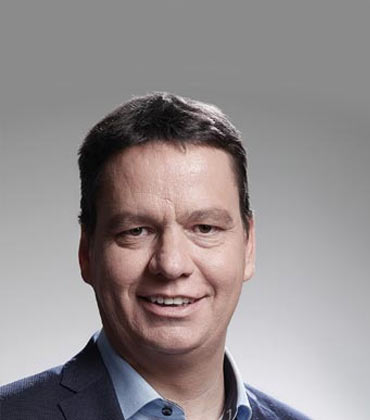
Recycling -The True Pathway Towards a Circular Aluminium Industry
Serge Gaudin, Director Automotive Operations, Sierre&Nachterstedt, Novelis
Sustainable Steel Production through Circular Economy and Technological Advancements
Slavko Kanalec, CTO, SIJ Group
Green Transformation Reshapes The Steel Industry Worldwide
Dr. Alexander Fleischanderl, Chief Technology Officer, Primetals Technologies
Redefining Commercial Strategy for a Sustainable Metals Future
Richard Herselman, Head of Metal Recycling & Trading, Anglo American
Creating a Culture Around Sustainability
Tom Salisbury, Director of Sustainability, GKN Automotive
New Initiatives in Automobile and Mobility Sectors
Alexander Klose, Executive Vice President Overseas Operations and Product Strategy, Aiways
Digitization and Modular Process Design: Enhancing Quality and Effectiveness in Custom Manufacturing
Johannes Moritzhuber, Head of Process and Production Development, Doppelmayr Seilbahnen
IN FOCUS
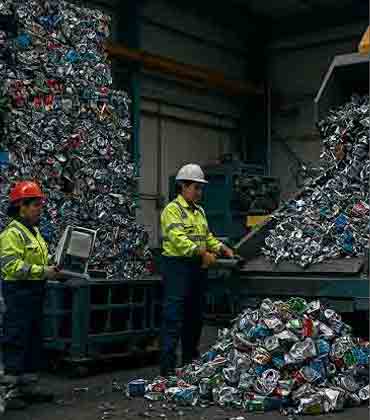
Europe's Non-Ferrous Metal Recycling Boom
Europe's non-ferrous scrap metal recycling market is booming and is driven by sustainability, economics, and regulation. Advanced tech maximises value from materials like aluminium and copper, fostering a circular economy despite challenges like price volatility.
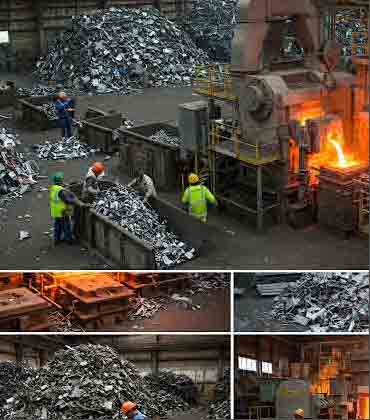
Advancing Europe's Circular Economy Through Non-Ferrous Metal Recycling
Europe's non-ferrous metal recycling service industry is a testament to maturity and technological sophistication, which is crucial in advancing the continent's circular economy.
EDITORIAL
The Future of Sustainable Metal Recycling
The rising demand for non-ferrous metals across industries, from construction to electronics, has amplified the importance of efficient recycling. Technological advancements are transforming non-ferrous metal recycling by improving metal recovery, reducing waste and cutting down energy consumption. Innovations such as automated sorting systems and enhanced refining techniques are boosting recycling efficiency, making it easier to reuse valuable metals while minimising environmental harm.
Reports highlight that the non-ferrous metal recycling market size, valued at $150 billion in 2023, is projected to reach $252 billion by 2032, at a CAGR of 6.1 percent.
Fuelling this growth are next-generation technologies that are elevating industry standards. Advanced sorting technologies such as X-ray fluorescence, eddy current separators and optical systems now enable precise separation, significantly improving the efficiency and purity of recovered metals. Hydrometallurgical processes like leaching and bioleaching offer energy-efficient alternatives to traditional smelting, using solutions and microbes to extract metals with reduced environmental impact. AI and robotics are streamlining operations, using automated systems to identify, sort and handle metals with greater accuracy and safety than ever before.
This edition of Metals and Mining Review Europe delves into these groundbreaking developments, highlighting their impact on key industry trends. It features insights from Serge Gaudin, director automotive operations, Sierre&Nachterstedt, at Novelis who stresses that closedloop aluminium recycling is essential for maximizing the value of recycled material and achieving a truly circular, low-carbon aluminium industry. Andreas Frehn, director Technology & innovation and technical marketing EMEA at Materion, emphasises that advancing highperformance and sustainable materials is essential to driving innovation across global megatrends like clean energy, advanced mobility and connectivity
The magazine also features Siegfried Jacob Metallwerke, a leader in non-ferrous metal recycling that transforms industrial residues into highpurity, sustainable metal products through advanced pyrometallurgical, hydrometallurgical and mechanical processes.
We hope this edition provides you with valuable insights, reflecting the latest trends and innovations that are shaping the future of the industry.
